Choosing the Right Camouflage Netting for Outdoor Activities
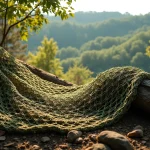
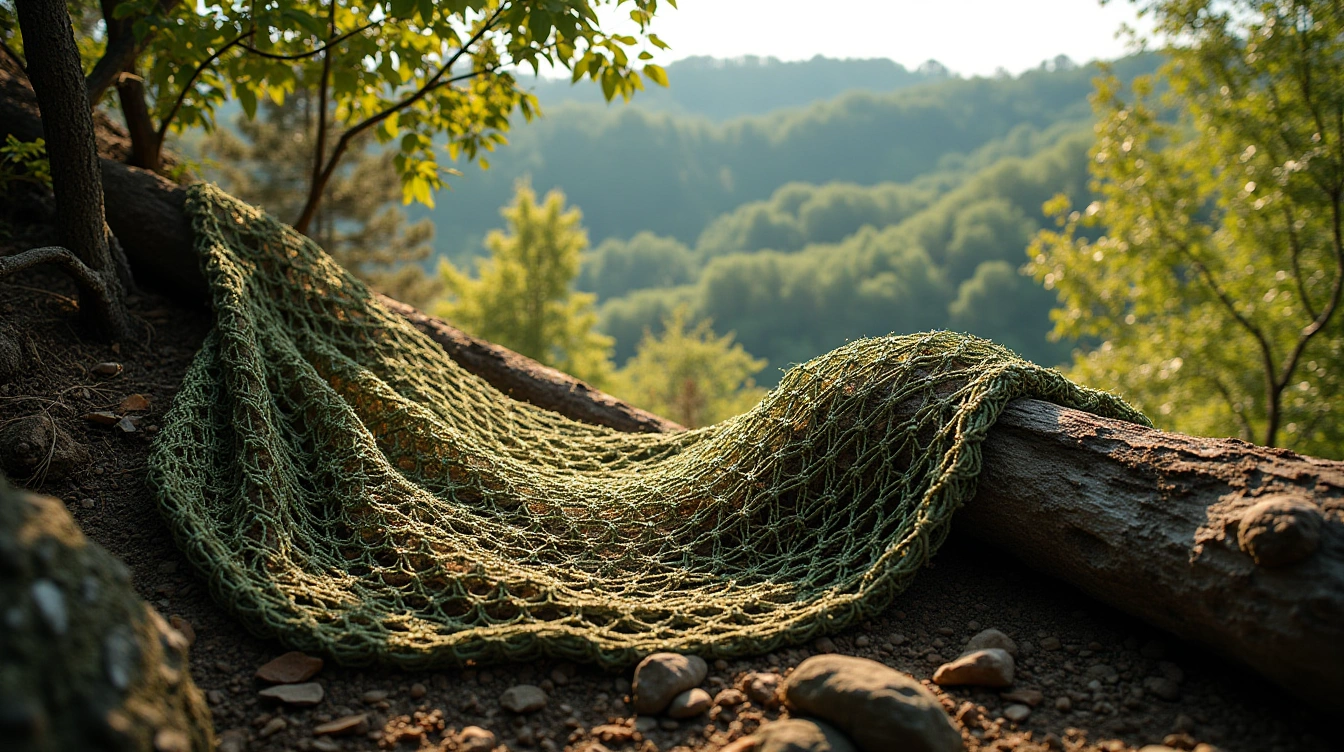
Whether you’re setting up a hunting blind, creating a wildlife photography hide, or establishing tactical cover, the right camo netting transforms your outdoor experience. Quality camouflage netting provides instant concealment, weather protection, and versatile coverage for any terrain.
The outdoor equipment market has surged 12.3% in 2024, according to the Outdoor Industry Association, driven partly by increased demand for specialized gear like camouflage solutions. What specific outdoor activity drives your need for effective concealment?
A lire en complément : Boosting Drainage: Best Soil Amendments for Enhancing Clay Soil Permeability in Northern UK Gardens
Understanding Different Types of Camouflage Mesh Solutions
The world of camouflage netting offers a diverse range of materials and specifications designed for different environments and applications. Modern mesh solutions typically feature polyester or nylon construction, with varying denier weights that directly impact durability and concealment effectiveness.
Military-grade options stand apart from commercial variants through their enhanced UV resistance and tear strength ratings. These professional-grade materials often incorporate fire-retardant treatments and meet specific military specifications for colorfastness. Commercial alternatives provide excellent performance for civilian applications while maintaining cost-effectiveness for recreational users.
A lire également : Essential Legal Guidelines for Building a Pond in Your UK Garden: What You Need to Know
Pattern variations reflect specific environmental needs, from woodland designs featuring brown and green tones to desert patterns incorporating tan and khaki elements. Mesh density significantly affects both concealment quality and weight considerations. Lighter 70-denier options work well for temporary setups, while heavy-duty 210-denier materials excel in permanent installations requiring weather resistance.
Color combinations must match your operational environment closely. Temperate regions benefit from multi-tone green patterns, while arid landscapes demand earth-tone variations. Understanding these material distinctions helps you select camouflage mesh that delivers optimal concealment performance for your specific outdoor requirements.
Key Factors When Selecting Premium Camouflage Covering
Choosing the right camouflage netting requires careful evaluation of several critical factors that directly impact performance in the field. The difference between basic and premium covering often determines mission success or outdoor activity effectiveness.
- Weather durability – Look for reinforced stitching and UV-resistant materials that withstand rain, snow, and extreme temperatures without deteriorating or losing camouflage effectiveness
- Size and coverage – Calculate exact dimensions needed for your application, considering overlap requirements for hunting blinds, vehicle concealment, or photography hides
- Installation ease – Premium nets feature grommets, tie-down points, and lightweight construction that allows quick deployment even in challenging conditions
- UV resistance – Quality materials maintain color integrity and structural strength after prolonged sun exposure, preventing fading that compromises concealment
- Weight and portability – Advanced synthetic materials offer superior coverage while remaining lightweight enough for backpack transport during extended outdoor missions
- Value proposition – Compare cost per square foot against durability ratings and warranty coverage to ensure long-term investment returns
Professional-grade camouflage netting typically features multi-layer construction with breakaway foliage elements that create realistic depth and shadow patterns essential for effective concealment.
Applications for Hunting and Wildlife Photography
Camouflage nets dramatically enhance the effectiveness of your hunting and wildlife photography sessions. Whether you are setting up a temporary hide or creating a permanent observation post, the choice of camouflage directly determines your success in the field.
For big game hunting, opt for forest patterns with deep brown and green tones during autumn. Deer have dichromatic vision and are particularly sensitive to blue and violet contrasts. Adapt your camouflage to the season: snowy patterns in winter, dense foliage in spring.
In wildlife photography, absolute discretion is essential. Install your net several days before the session to allow animals to become accustomed to its presence. Migratory birds require different approaches than terrestrial mammals, with broader camouflage coverage and strategically positioned openings.
Maximum effectiveness is achieved by combining visual concealment with odor reduction. Air out your nets regularly, avoid scented detergents, and position yourself facing the prevailing wind. These details often make the difference between a successful observation and an abandoned area.
Military-Style Netting for Tactical Applications
Military-grade camouflage netting represents the pinnacle of concealment technology, engineered to withstand the rigorous demands of professional tactical operations. These high-performance nets utilize advanced synthetic materials like ripstop nylon and polyester blends, offering superior tear resistance compared to standard commercial alternatives.
The key distinction lies in the construction specifications. Military nets feature reinforced edge binding, double-stitched seams, and UV-resistant coatings that maintain color integrity under prolonged sun exposure. The mesh density is precisely calibrated to balance visual disruption with airflow, preventing heat signatures while ensuring adequate ventilation.
For airsoft and paintball enthusiasts, these nets provide authentic tactical advantages. The irregular pattern breaks up human silhouettes effectively, while the durable construction handles repeated deployment and storage cycles. Professional training facilities often invest in military-grade options for their longevity and consistent performance across diverse environments.
The enhanced stealth properties extend beyond visual concealment. Quality military nets incorporate infrared-defeating properties and noise-dampening characteristics, making them invaluable for photography hides and wildlife observation. While the initial investment exceeds civilian alternatives, the extended lifespan and superior performance justify the cost for serious tactical applications.
Installation and Maintenance Best Practices
The success of any camouflage netting setup depends heavily on proper installation techniques adapted to your specific terrain and mission requirements. Rocky surfaces require different anchoring methods than soft soil, while windy conditions demand additional tension points to prevent fabric stress and premature wear.
Start by surveying your installation area during different lighting conditions to identify natural anchor points and potential visibility gaps. Secure the netting at multiple points using appropriate hardware for your surface type, ensuring even tension distribution to prevent sagging or billowing that could compromise concealment effectiveness.
Regular maintenance significantly extends netting lifespan and performance. Inspect your camouflage netting monthly for signs of UV degradation, particularly along stress points and frequently handled areas. Clean debris gently using soft brushes rather than high-pressure washing, which can damage the protective coating and weaken synthetic fibers.
For field repairs, carry a basic repair kit containing matching thread, fabric patches, and waterproof adhesive. Small tears can be quickly mended using simple running stitches, while larger damage may require patch reinforcement. Proper storage in cool, dry conditions away from direct sunlight prevents unnecessary deterioration between deployments and maintains optimal camouflage properties.
Your Questions About Camouflage Netting
What type of camouflage netting works best for hunting blinds?
Woodland patterns dominate hunting blind applications. Choose 3D leafy designs for forest environments or grassland patterns for open terrain. Heavy-duty polyester withstands branches and weather better than lightweight alternatives.
How do I choose the right size camo net for my outdoor setup?
Measure your equipment plus 2-3 feet extra coverage on all sides. A 12×16 foot net covers most hunting blinds effectively. Consider overlapping multiple smaller nets for irregular shapes.
What’s the difference between military grade and commercial camouflage netting?
Military specifications require infrared resistance and flame retardancy. Commercial versions focus on visual concealment only. Military nets cost 40-60% more but offer superior durability and specialized protection features.
How durable is camouflage netting in harsh weather conditions?
Quality polyester netting withstands UV exposure for 3-5 years outdoors. Reinforced edges prevent tearing in winds up to 35 mph. Proper drainage prevents water pooling and material degradation.
Can I use the same camo net for both hunting and photography purposes?
Absolutely. Versatile designs work for both activities. Choose neutral patterns like woodland or digital camo. Lightweight models offer easier transport between photography locations and hunting spots.